Intelligence Gathering: Foundations, Methods, and Strategic Importance
Introduction
Intelligence gathering constitutes one of the most vital processes in national security, defense strategy, corporate protection, and law enforcement. It involves the systematic collection, evaluation, and interpretation of information to support decision-making and policy formation. The core objective of intelligence gathering is not simply to accumulate data, but to transform raw information into actionable insight. Effective intelligence enables states, organizations, and individuals to anticipate threats, exploit opportunities, and maintain strategic advantage in an environment defined by uncertainty and competition.
1. Conceptual Framework of Intelligence Gathering
At its essence, intelligence gathering is the structured acquisition of information relevant to specific operational or strategic objectives. It functions within the broader intelligence cycle, which traditionally includes the following stages:
- Planning and Direction: Defining intelligence requirements, priorities, and collection strategies.
- Collection: Acquiring information from designated sources through various methods.
- Processing and Exploitation: Organizing, translating, decrypting, or converting data into usable formats.
- Analysis and Production: Evaluating, contextualizing, and synthesizing information to produce intelligence assessments.
- Dissemination: Delivering intelligence reports to policymakers, commanders, or stakeholders.
- Feedback: Adjusting future collection efforts based on outcomes and new requirements.
2. Categories and Sources of Intelligence
Intelligence is typically classified according to its source or method of collection. The principal types include:
- HUMINT (Human Intelligence): Information obtained from human sources through espionage, interviews, or interpersonal communication. HUMINT is indispensable for understanding intentions, motivations, and psychological dimensions that technical sensors cannot capture.
- SIGINT (Signals Intelligence): Interception and analysis of electronic signals, including communications intelligence (COMINT) and electronic intelligence (ELINT). SIGINT plays a crucial role in monitoring military operations, cyber activities, and diplomatic communications.
- IMINT (Imagery Intelligence): Visual data collected through aerial photography, satellite reconnaissance, or unmanned aerial systems. IMINT is essential for mapping, surveillance, and target verification.
- MASINT (Measurement and Signature Intelligence): Specialized data derived from scientific sensors that detect distinctive physical or chemical signatures, such as radar emissions or nuclear materials.
- OSINT (Open-Source Intelligence): Information gathered from publicly accessible sources, including media reports, social networks, academic publications, and government records. OSINT has gained prominence in the digital era for its cost efficiency and accessibility.
- CYBINT (Cyber Intelligence): Data collected from digital networks to detect, analyze, and mitigate cyber threats. CYBINT bridges traditional intelligence and cybersecurity operations.
3. Historical Evolution of Intelligence Gathering
Intelligence gathering has deep historical roots, extending back to ancient civilizations such as Egypt, China, and Rome, which maintained networks of spies and informants. The twentieth century transformed intelligence into an institutionalized and technologically advanced practice.
During the World Wars, the development of codebreaking and aerial reconnaissance revolutionized intelligence operations. The Cold War further expanded the scope of intelligence, leading to the establishment of agencies such as the CIA (United States), MI6 (United Kingdom), and the KGB (Soviet Union). Technological innovations, including satellites, encrypted communications, and electronic surveillance, turned intelligence gathering into a global, multi-domain enterprise.
In the twenty-first century, intelligence gathering has adapted to new challenges such as terrorism, cyber warfare, disinformation, and non-state actors. Modern intelligence communities operate within an interconnected environment where digital data, artificial intelligence, and global networks redefine both opportunities and vulnerabilities.
4. Methods and Techniques of Collection
Intelligence gathering employs a diverse set of techniques, each tailored to the operational context:
- Surveillance: Continuous monitoring of individuals, groups, or locations through visual, audio, or digital means.
- Interrogation and Debriefing: Extracting information from captured individuals or cooperative sources.
- Interception: Capturing communications or data transmissions across physical and electronic channels.
- Field Operations: Covert missions designed to infiltrate, observe, or collect physical evidence.
- Data Mining and Analysis: Using computational methods to extract patterns from large datasets, especially in cyber and financial intelligence.
- Social Media Monitoring: Tracking public discourse, sentiment, and behavioral trends across online platforms.
The choice of method depends on the target, operational risk, and intelligence objectives. In democratic societies, these practices are regulated by law to balance national security with civil liberties.

5. Analysis and Interpretation
Raw information acquires strategic value only through analysis. Analysts synthesize disparate data points to identify patterns, relationships, and implications. Analytical methodologies range from qualitative interpretation and behavioral analysis to quantitative modeling and predictive analytics.
Cognitive biases, misinformation, and data overload present significant challenges. Modern intelligence agencies invest in training analysts to recognize bias, apply structured analytic techniques, and verify the reliability of sources. Increasingly, artificial intelligence and machine learning tools assist in processing vast datasets, enabling predictive intelligence and real-time situational awareness.
6. Intelligence Gathering in the Digital Age
The digital revolution has redefined intelligence collection. The proliferation of digital devices, social networks, and data infrastructures has expanded the availability of open-source and cyber intelligence. However, it has also increased the risk of surveillance overreach, misinformation, and cyber espionage.
Cyber intelligence operations focus on detecting network intrusions, tracing malicious actors, and protecting digital infrastructure. The use of big data analytics enables intelligence services to correlate digital footprints, identify behavioral anomalies, and forecast potential security incidents. Yet the same technologies empower adversaries to conduct espionage, spread propaganda, or manipulate public opinion, illustrating the dual-edged nature of digital intelligence.
7. Ethical, Legal, and Political Considerations
Intelligence gathering exists at the intersection of secrecy and accountability. While necessary for security, it raises ethical questions regarding privacy, sovereignty, and transparency. Democratic oversight mechanisms, such as legislative review committees and judicial authorization, aim to prevent abuse.
International law further complicates intelligence activities, particularly in cyberspace and espionage between allies. The balance between intelligence necessity and civil rights remains a central debate in modern governance.
8. Strategic Importance and Applications
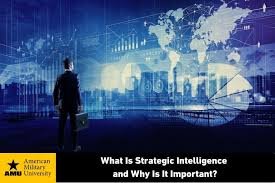
Intelligence gathering underpins decision-making at every level of governance and security. Its applications include:
- National Defense: Early warning of military threats, assessment of enemy capabilities, and counterintelligence.
- Counterterrorism: Identifying networks, funding sources, and planned operations of terrorist organizations.
- Diplomacy: Providing situational awareness during negotiations and conflict resolution.
- Corporate Security: Protecting intellectual property and competitive intelligence in global markets.
- Crisis Management: Supporting responses to pandemics, natural disasters, or humanitarian emergencies through timely information.
In each domain, the strategic value of intelligence lies in its ability to reduce uncertainty and support informed, proactive action.
Conclusion
Intelligence gathering remains one of the most consequential instruments of statecraft and organizational strategy. Its evolution from ancient espionage to data-driven analysis reflects humanity’s enduring quest to understand and anticipate the unknown. The effectiveness of intelligence depends not only on technological sophistication but also on analytical rigor, ethical restraint, and interagency cooperation. In an age defined by information abundance and geopolitical complexity, mastery of intelligence gathering represents both a shield and a compass—protecting national interests while guiding decision-makers through uncertainty.






Post Comment