Ghost of Tsushima: A Masterpiece of Samurai Storytelling and Open-World Design
Introduction
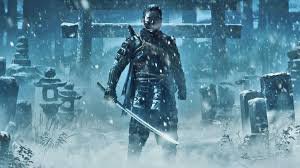
Released in 2020 by Sucker Punch Productions, Ghost of Tsushima stands as one of the most acclaimed action-adventure games of the modern era. Set in feudal Japan during the first Mongol invasion of 1274, the game follows Jin Sakai, a samurai forced to abandon his traditional code to defend his homeland. Through its stunning visuals, deep moral conflicts, and immersive gameplay systems, Ghost of Tsushima transcends conventional open-world design, blending cinematic storytelling with historical reverence.
1. Historical Setting and Cultural Authenticity
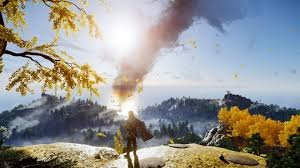
Ghost of Tsushima is deeply rooted in Japanese history, though it adapts events for dramatic effect. The game captures the spirit of Bushidō, the way of the samurai, while exploring the cultural consequences of adaptation and survival. The island of Tsushima is rendered in breathtaking detail—lush forests, bamboo groves, shrines, and war-torn villages create a living portrait of 13th-century Japan.
Sucker Punch collaborated with Japanese historians and cultural consultants to ensure authenticity in architecture, clothing, weaponry, and rituals. The use of Kurosawa Mode, a black-and-white visual filter honoring legendary filmmaker Akira Kurosawa, further highlights the developers’ respect for Japanese cinema and storytelling tradition.
2. Gameplay and Mechanics: The Balance Between Honor and Stealth
At the heart of the experience lies the player’s moral struggle between traditional samurai combat and unorthodox guerrilla tactics.
- Combat System: The game’s swordplay is meticulously designed, emphasizing timing, stance selection, and precision. Each encounter feels deliberate, evoking the discipline of real samurai duels.
- Stealth Gameplay: Departing from Bushidō, Jin adopts stealth tactics such as assassinations, smoke bombs, and distraction tools. This duality—honor versus survival—forms the thematic and mechanical foundation of the game.
- Progression System: As players unlock new techniques and gear, they shape Jin’s transformation from noble warrior to the feared “Ghost.”
3. Open-World Design and Exploration
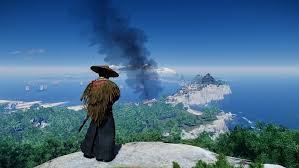
The island of Tsushima functions as both setting and character. Unlike many open-world games reliant on intrusive HUD elements, Ghost of Tsushima uses natural navigation—a guiding wind system directs players organically toward objectives.
Exploration is rewarded through shrines, fox dens, bamboo strikes, and haiku composition points, each reflecting aspects of Japanese spirituality and aesthetics. The environment encourages immersive discovery rather than mechanical checklist completion, reinforcing a sense of harmony between man and nature.
4. Narrative and Character Development
Jin Sakai’s journey is both external and internal. As he confronts the Mongol invasion led by Khotun Khan, Jin grapples with the erosion of his identity as a samurai. Supporting characters such as Lord Shimura, Yuna, and Masako Adachi embody differing philosophies of loyalty, vengeance, and freedom.
The writing balances subtle emotional beats with epic scope, delivering a story that questions the meaning of honor in wartime. The narrative arc is enhanced by cinematic direction, authentic Japanese voice acting, and an emotionally resonant score by Ilan Eshkeri and Shigeru Umebayashi.
5. Artistic Direction and Technical Excellence
Visually, Ghost of Tsushima is a triumph of artistic design. Each region is distinct in color palette and mood—golden fields of Otsuna, crimson forests of Ariake, and snowy peaks of Kamiagata evoke the passage of seasons and emotion. Dynamic weather and day-night cycles further deepen immersion.
The game’s photo mode became a cultural phenomenon, with players capturing scenes reminiscent of classical Japanese paintings. Combined with meticulous motion capture and sound design, the aesthetic fidelity rivals that of high-budget films.
6. Reception and Legacy
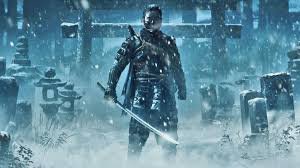
Upon release, Ghost of Tsushima received critical and commercial acclaim. Reviewers praised its narrative, art direction, and respectful portrayal of Japanese culture. The game sold over 10 million copies worldwide and won multiple awards, including Best Art Direction and Player’s Voice Award at The Game Awards.
Its success also had cultural repercussions: the real island of Tsushima honored the game’s creators as tourism ambassadors for preserving its history and spirit. The Director’s Cut and Legends multiplayer mode further expanded the game’s universe, demonstrating its versatility and enduring popularity.
7. Thematic Depth and Philosophical Underpinnings
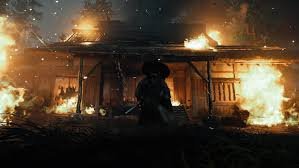
Beneath its action-driven exterior lies a profound meditation on duty, sacrifice, and transformation. Jin’s evolution from samurai to Ghost symbolizes the tension between tradition and innovation—a theme resonating across societies facing change. The narrative invites reflection on whether morality is absolute or situational, especially in times of existential threat.
Conclusion
Ghost of Tsushima exemplifies the art of merging gameplay and narrative to create emotional resonance. It is not merely a tale of revenge or heroism but a cultural elegy—an exploration of identity and the cost of survival. Through its authentic world-building, elegant design, and philosophical storytelling, the game secures its place as one of the defining works of the modern gaming era.






Post Comment