The Concept of Defense: Principles, Forms, and Strategic Importance

Introduction
Defense, in its broadest sense, represents the act or process of protecting, safeguarding, or resisting external threats, aggression, or harm. It manifests across diverse domains—ranging from national security and sports to biology, psychology, and law—each interpreting the concept through its own structural and functional paradigms. At its core, defense is a reactive and proactive mechanism designed to ensure survival, stability, and integrity.
1. The Strategic Foundation of Defense
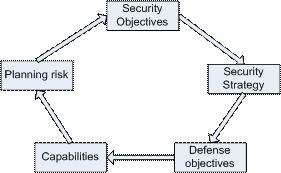
Defense operates as a systematic countermeasure against potential or actual attacks. Strategically, it is not merely the absence of aggression but a deliberate framework for maintaining equilibrium. In military and geopolitical contexts, defense integrates diplomacy, deterrence, and technological innovation to preserve sovereignty. The classical theory of deterrence, for instance, posits that strong defensive capabilities discourage hostile action by increasing the cost of aggression. This principle underlies the establishment of standing armies, alliances such as NATO, and the global pursuit of advanced defense technologies including missile shields and cyber defense systems.
2. Defense in Military and National Security Contexts
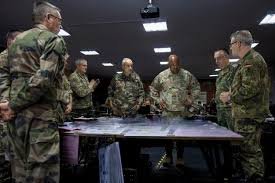
National defense encompasses all measures adopted by a state to protect its territory, population, and interests from external or internal threats. It involves several dimensions:
- Conventional Defense: Utilization of armed forces and traditional warfare tactics.
- Cyber Defense: Protection of information networks and critical infrastructure from digital attacks.
- Civil Defense: Emergency preparedness and resilience planning for civilian populations during crises.
- Intelligence Operations: Collection and analysis of data to anticipate and neutralize threats before they materialize.
A comprehensive defense policy harmonizes these elements within a strategic doctrine that balances power projection with deterrence and diplomacy. Nations also invest in research and development to maintain technological superiority, a determinant factor in contemporary warfare.
3. Defense Mechanisms in Biology and Psychology
In biological systems, defense mechanisms are intrinsic processes that enable organisms to resist infection, injury, or predation. The human immune system exemplifies this through its layered defenses—physical barriers like skin, cellular responses such as inflammation, and adaptive immunity that “remembers” past invaders.
Psychology employs the term differently, referring to subconscious mental processes that protect individuals from anxiety or internal conflict. Sigmund Freud’s theory of defense mechanisms—such as repression, projection, and rationalization—illustrates how the psyche maintains equilibrium under stress. Both biological and psychological defenses, though distinct in operation, share a fundamental objective: preservation of integrity against destabilizing forces.
4. Defense in Sports and Competitive Contexts
In athletics, defense represents the strategic counteraction to offensive plays. Whether in football, basketball, or martial arts, defense relies on anticipation, positioning, and timing. A skilled defender not only blocks or redirects attacks but also transforms defense into an opportunity for counteroffense. The maxim “defense wins championships” underscores the importance of strategic containment and precision rather than sheer aggression.
5. Legal and Ethical Dimensions of Defense
Within jurisprudence, defense pertains to the justification or explanation offered by an accused party in response to criminal or civil charges. Legal defenses—such as self-defense, necessity, or insanity—serve to establish the defendant’s lack of culpability or diminished responsibility. Self-defense, in particular, exemplifies the lawful use of proportionate force to repel imminent harm, reflecting the broader moral principle that individuals have the right to protect themselves and others from unjust aggression.
6. Modern Challenges and Evolving Paradigms
The concept of defense has expanded significantly in the modern era. Traditional notions of territorial protection now coexist with challenges posed by hybrid warfare, terrorism, cyber intrusion, and misinformation. Effective defense in the twenty-first century requires not only physical and technological capabilities but also information integrity, psychological resilience, and international cooperation. The emergence of artificial intelligence and autonomous systems introduces both opportunities and ethical dilemmas regarding control, accountability, and escalation.
Conclusion
Defense remains a universal and indispensable principle across human endeavor. Whether manifested in the fortifications of a nation, the immune responses of an organism, or the mental coping strategies of an individual, defense embodies the instinct to endure and prevail against adversity. Its effectiveness lies in the balance between preparation and adaptability, caution and initiative. In an era characterized by rapid technological transformation and complex global interdependence, the capacity to defend effectively—physically, digitally, and psychologically—will continue to define the resilience and longevity of societies.





Post Comment